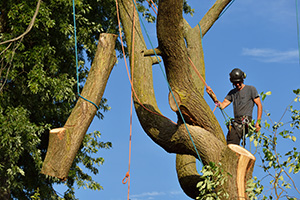
Storms do not need to be strong to leave trouble behind. A quick summer downpour, a windy coastal system, or a night of steady rain can all change the condition of the trees on your property. What looked healthy a day ago may now have split limbs, weakened roots, or a canopy that no longer sits the way it should. That is why homeowners should not judge storm damage by what falls to the ground alone. Some of the most serious issues stay hidden until the next windy day or the next heavy rain. If you own a home with mature trees, knowing when to call for proactive tree service in Smithville can protect your house, your yard, and your peace of mind. Storm recovery is not just about cleanup. It is about catching damage early, making smart decisions, and preventing a small issue from turning into a dangerous one.
Storm Damage Isn’t Always on the Ground
After a storm, many people look for broken branches on the lawn and assume that tells the whole story. In reality, storm stress can show up in subtle ways. A large limb may still be attached but cracked. A trunk may have a fresh split that is easy to miss from one angle. A tree may lean only slightly more than it did before, yet that small shift can point to root failure below the surface. This is where professional tree service in Smithville matters. A trained crew knows how to spot structural warning signs that most homeowners would never think to check.
Leaves can also tell part of the story. If one section of the canopy suddenly looks thin, wilted, or discolored after a storm, that may signal damage to the branches feeding that area. Bark hanging loose, exposed wood, and mushrooms near the base can also suggest that a tree was already weak before the weather pushed it further.
The Biggest Signs You Should Make the Call
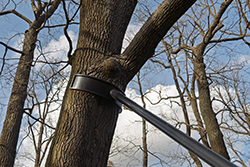
Some storm damage should never wait. If you notice large limbs hanging overhead, branches resting on your roof, or a tree leaning toward your home, call a tree professional right away. The same goes for trees near driveways, sidewalks, sheds, fences, or utility areas. Even if nothing has fallen yet, the risk may already be serious. You should also reach out if the ground around the base looks raised or cracked. That can mean the roots shifted during saturated conditions. A tree with a damaged root system may stand for now and fail later.
Other common reasons to call include:
Cracks in the trunk or major limbs
Fresh splits often grow worse with time, especially when wind returns.
Branches tangled together high in the canopy
What looks stable from below may come down without warning.
Sudden leaning after rain or wind
A change in position often points to instability.
Repeated branch drop after one storm
That can suggest the tree has deeper structural problems.
Storm Cleanup Isn’t DIY
It is tempting to grab a saw and start cutting. For small twigs and loose debris, basic cleanup is fine. The problem starts when homeowners try to deal with anything overhead, anything heavy, or anything under tension. Storm damaged branches can shift suddenly. One cut in the wrong place can send a limb swinging, rolling, or falling in an unexpected direction.
Tree work also involves more than removing what looks broken. A proper cleanup often includes thinning damaged growth, reducing weight on stressed limbs, clearing torn branches with clean cuts, and checking whether the tree can recover safely. Poor cuts can leave a tree vulnerable to decay and future breakage.
That is one reason so many homeowners rely on tree service in Smithville after storms. The goal is not just to make the yard look better. The goal is to make the property safer while giving healthy trees the best chance to recover.
Timing Matters after Heavy Weather
Waiting too long can create new problems. A cracked limb may dry out and split farther. A partially uprooted tree may shift more and more with each rainy day. Damaged branches can scrape roofing, siding, and gutters every time the wind picks up. Quick action helps reduce both safety risks and repair costs. Fast service also helps preserve trees that are still worth saving. In some cases, a tree does not need removal at all. Strategic pruning and careful inspection may be enough to restore balance and reduce stress. The sooner an expert looks at the damage, the better the chance of making that call before the tree declines further. In Smithville, where weather can change quickly and properties often feature a mix of ornamental and mature shade trees, that timing can make a real difference.
What a Professional Inspection Can Reveal
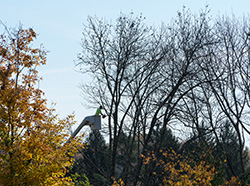
A post storm inspection gives you more than an opinion. It gives you a plan. Tree professionals look at the canopy, trunk, root flare, soil conditions, and nearby targets such as homes, fences, and parked vehicles. During a tree service in Smithville appointment, professionals assess whether the tree is likely to recover, whether corrective pruning will help, or whether removal is the safer choice. They also look beyond the obvious problem tree. Storms often affect groups of trees in the same yard. One may show visible damage while another has hidden stress from wind exposure or saturated soil. A thorough inspection helps homeowners avoid surprises in the next storm. For many properties, this kind of visit becomes the starting point for smarter long term care. A tree that survives one storm may still need future pruning to stay strong and balanced.
Rough Weather and Tree Service in Smithville
Storm damage can leave behind more than a messy lawn. It can create uncertainty every time the wind starts up again. That is why homeowners should trust their instincts when something looks off after severe weather. If a tree is leaning, shedding large limbs, showing cracks, or standing near important parts of your property, it is time to bring in an expert. Professional tree service in Smithville helps turn storm recovery into a safer and more informed process. Instead of guessing, you get a trained eye, the right equipment, and a clear path forward for your landscape. Ben Bivins Tree Experts understands what local properties face after rough weather and knows how to respond with care and experience. When the storm passes, the real question is what comes next. Making the right call at the right time can protect your trees, your home, and everyone around it.